
You wake up for school. You glance in the mirror. And there it is — a fresh breakout staring back at you.
For many teen boys, acne isn’t just an occasional annoying pimple: it’s a recurring battle. Between changing hormones, sweat, sports gear, and stress, the odds are stacked. But the good news? Breakouts don’t have to define you. With the right understanding and a simple, consistent routine you can prevent more pimples, protect your skin, and build (or keep) your confidence.
In this guide I’ll walk you through how acne happens in your skin, what everyday habits really matter, how diet and lifestyle tie in, and how to pick skincare products that work. I’ll also show how a well-chosen cleanser, treatment, moisturiser and sunscreen can make a huge difference. No hype, no 20-product routine — just smart science + real action you can take.
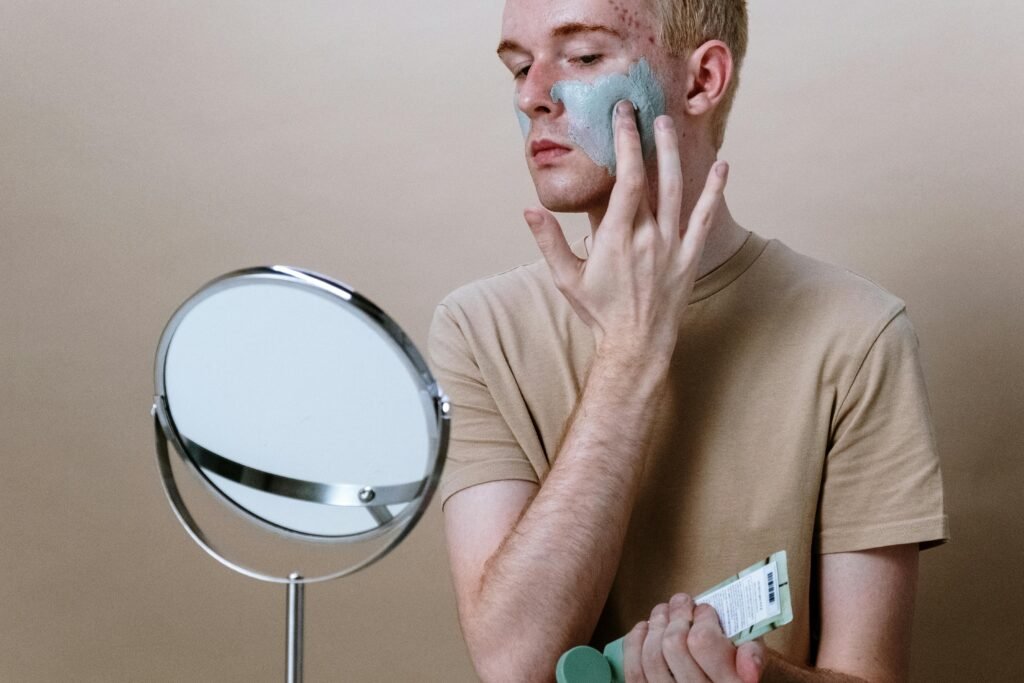
Understanding Acne — What’s Really Going On
When teen boys see a new pimple they often think: “Ugh, great — more oil, more junk.” But the truth is, acne is a process with several steps: increased oil production, clogged pores, inflammation and bacteria.
Hormones and oil production: During puberty your body raises levels of androgens such as testosterone and dihydrotestosterone (DHT). A study of 1,609 adolescents found that DHT concentrations were significantly higher in teens with acne than those without. pmc.ncbi.nlm.nih.gov+1 For boys the prevalence of acne in late puberty was 85%. pmc.ncbi.nlm.nih.gov+1
So when your skin suddenly feels oilier or more prone to pimples, your hormones are likely involved. More oil means more chance of clogged pores.
Clogged pores and inflammation: When your pores are clogged with oil + dead skin cells, bacteria (like Cutibacterium acnes) can trigger an inflammatory response. That’s where redness and swelling come from.
What this means for you: Understanding this shows that acne isn’t just “bad hygiene” or “eating chocolate.” It’s partly hormonal, partly your skin environment, partly how you care for your skin. That means your best response is to neutralise the avoidable parts (skin care, habits, diet) and not beat yourself up for what you can’t control.
By targeting the oil build-up, avoiding pore-clogging situations (helmet sweat, chin strap plus pollen/dust etc), and adopting consistent habits, you put yourself ahead of most breakouts.
The Science of a Good Skincare Routine
With hormones and oil in the background, the right skincare routine is your frontline. The right products help you manage oil, clean pores, protect skin and prevent inflammation. According to the Institute of Dermatologists Ireland, most teens only need a basic three-product routine: gentle cleanser, moisturiser and sunscreen. rch.org.au+1
Here’s how each step works and what to look for:
1. Cleanser – Choose a gentle, soap-free cleanser (especially if you’re oily or acne-prone). Over-scrubbing or using harsh bars can strip your skin’s barrier and backfire. cerave.com+1 Use it twice a day: morning and night, and after any heavy sweat session (sport, gym).
2. Treatment/serum – Once your cleanser is doing its job, you can add an ingredient that targets clogged pores or oil-control, such as 2% salicylic acid. For example, the brand example “Acne Control Gel” with 2 % salicylic acid helps break down oil-clogs gently. cerave.com
3. Moisturiser – Yes, even oily skin needs a moisturiser. A lightweight, oil-free moisturiser helps maintain your skin’s barrier so your cleansers and treatments don’t trigger excess oil in reaction.
4. Sunscreen – Essential. Even for breakout-prone skin. UV exposure worsens inflammation and can leave post-pimple marks. Light, oil-free broad-spectrum SPF is a must. rch.org.au
What to avoid: Complex routines with 10 products, random toners, scrubs, etc. Tech guidelines suggest you don’t need to over-load your skin—especially in teenage years. rch.org.au
.
Daily Habits That Prevent Acne
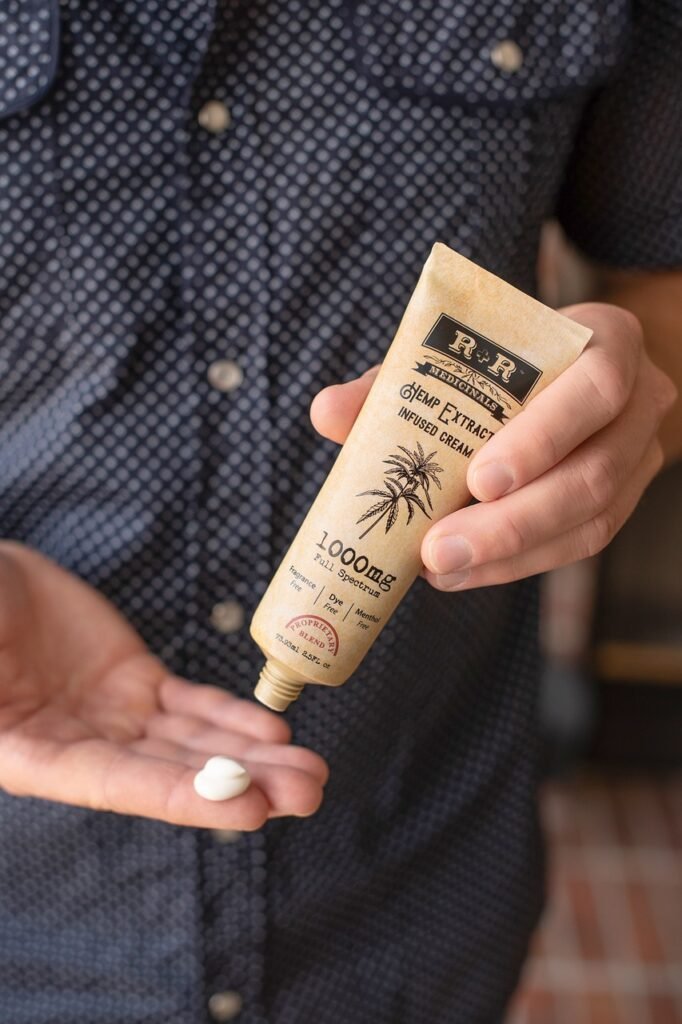
Skincare products are necessary, but skincare habits (daily behaviours) ca
n make as big a difference — sometimes bigger. Here are the everyday things for teen boys to focus on:
Clean after sweat: After sport or gym, yUse this after some excises! you climb into a hoodie/helmet, you breathe and the pores are loaded. Rinse and use your cleanser. If that’s hard, at least splash water + wipe with a towel. Sweat + bacteria + oil = breakout risk.
Change pillowcases/towels regularly: Your face touches fabrics that absorb oil, bacteria, skin–cell debris. Clean pillowcases every few nights; towels used on face/chest should be fresh.
Avoid touching or picking your face: Classic mistake. Palms have bacteria; picking causes micro-tears → inflammation → bigger chance of scarring and longer healing time.
Sleep and stress: Lack of sleep and high stress trigger cortisol which can increase oil production and inflammation. While it’s teenage life, try aim for decent rest, good sleep habits, reduce late-night screen time.
Diet habits: We’ll cover in next section but habits like excessive milk, sugary drinks, processed foods tie directly to acne risk.
Building a Simple, Consistent Routine
Here’s your playbook — a morning and night routine built for teen boys, plus tips to stay consistent.
Morning Routine:
- Splash face, then use a gentle cleanser.
- (Optional) Apply your treatment product if your skin is oily/gland-clog prone.
- Moisturiser – use a lightweight, oil-free version.
- Sunscreen – every day. Even if cloudy. Sweat-resistant if you do sport.
Night Routine: - Use cleanser again (remove sweat/oil through the day).
- Treatment product if you use one (e.g., 2% salicylic acid gel) — alternate nights if skin is sensitive.
- Moisturiser.
- Optional: If you had heavy sweat or gear (helmet/body armour), you might use a micellar wipe first and then the cleanser step.
- Get a good skincare routine!
Why this matters: Science shows that consistent, simple routines outperform overly complex ones. For teenage skin, fewer irritations, fewer product-overload issues = better outcomes. rch.org.au
Stick with it and you’re building a healthy skin habit that lasts — long after the teenage years.

Breakouts may feel like a constant battle, but with the right knowledge, habits and products — you’ve got a real shot at staying ahead of them. We’ve covered why acne happens (hormones + oil), what your skin needs (cleansing, treatment, moisturiser, sunscreen), how your daily habits matter (sweat, pillows, picking, stress) and what your diet and mind-set can bring to the fight.
Most importantly: you’re not stuck. Teen acne is common. But when you pair smart skincare with good habits and the right products (yes, your affiliate pack helps here!) you’ll see real results. Give your skin the consistency and care it deserves — and you’ll build confidence that shows, both inside and out.
Start today. Pick your routine, make it simple, stick with it — and watch your skin improve. You’ve got this.